


Introduction

Sofas are often one of the first furniture pieces chosen for a living room, influencing everything from the room's layout to its overall character. While straight sofas have long been the conventional choice, curved sofas have become an increasingly popular alternative for those seeking a softer and more distinctive interior. Their flowing silhouettes introduce a different approach to modern living room design, moving beyond purely functional arrangements towards spaces that feel more inviting and visually engaging.
A curved sofa changes how furniture works together within a room. It can encourage more natural conversation, soften the strong lines created by walls and cabinetry, and establish a striking focal point in your living room that anchors the surrounding furniture. Whether incorporated into a spacious open-concept home or a thoughtfully planned apartment, the right curved sofa design can transform the atmosphere of a living room when chosen and styled with care.
Part 2: The Enduring Appeal of Curved Sofas
Curved sofas have become an increasingly popular choice for modern living rooms. While their distinctive shape naturally draws attention, their appeal goes beyond appearance. Understanding the history, variety, and visual qualities behind curved sofa design can help you appreciate why this form continues to return across different eras of interior design.
2.1. A Softer Alternative to Traditional Sofas
Curved sofa designs are defined by their flowing silhouettes, which introduce softer lines into a living room. Instead of reinforcing the angular shapes created by walls, windows, and cabinetry, they create a gentler visual rhythm that makes the space feel more relaxed and inviting.
This softer form also gives furniture arrangements in the living room a greater sense of movement. Rather than allowing every piece to follow the same straight lines, the sofa introduces contrast that helps the overall interior feel more balanced and thoughtfully composed.
2.2. Why Curved Sofas Are Popular Again
Curved sofa designs are not a new idea: it first became popular during the Art Deco era, when rounded shapes were associated with elegance and luxury. Curved furniture also appeared in many mid-century interiors before straight-lined became the dominant style for several decades.
Today, curved sofas are making a strong comeback as more homeowners look for living rooms that feel warm, comfortable, and welcoming. Instead of creating highly structured spaces, many modern interiors now focus on softer forms that encourage relaxation while still looking contemporary. This renewed interest has helped make the curved silhouette an important part of contemporary sofa design.
The growing popularity of curved sofas has also been influenced by boutique hotels, designer lounges, and luxury residences, where curved seating is often used to create comfortable spaces that invite conversation and help guests feel at ease. A well-proportioned curved model can bring some of the visual refinement associated with luxury sofas into everyday living rooms without making the space feel overly formal.
2.3. Exploring Different Curved Sofa Designs
Curved sofas are available in a variety of styles, making it easy to find one that suits different types of homes.
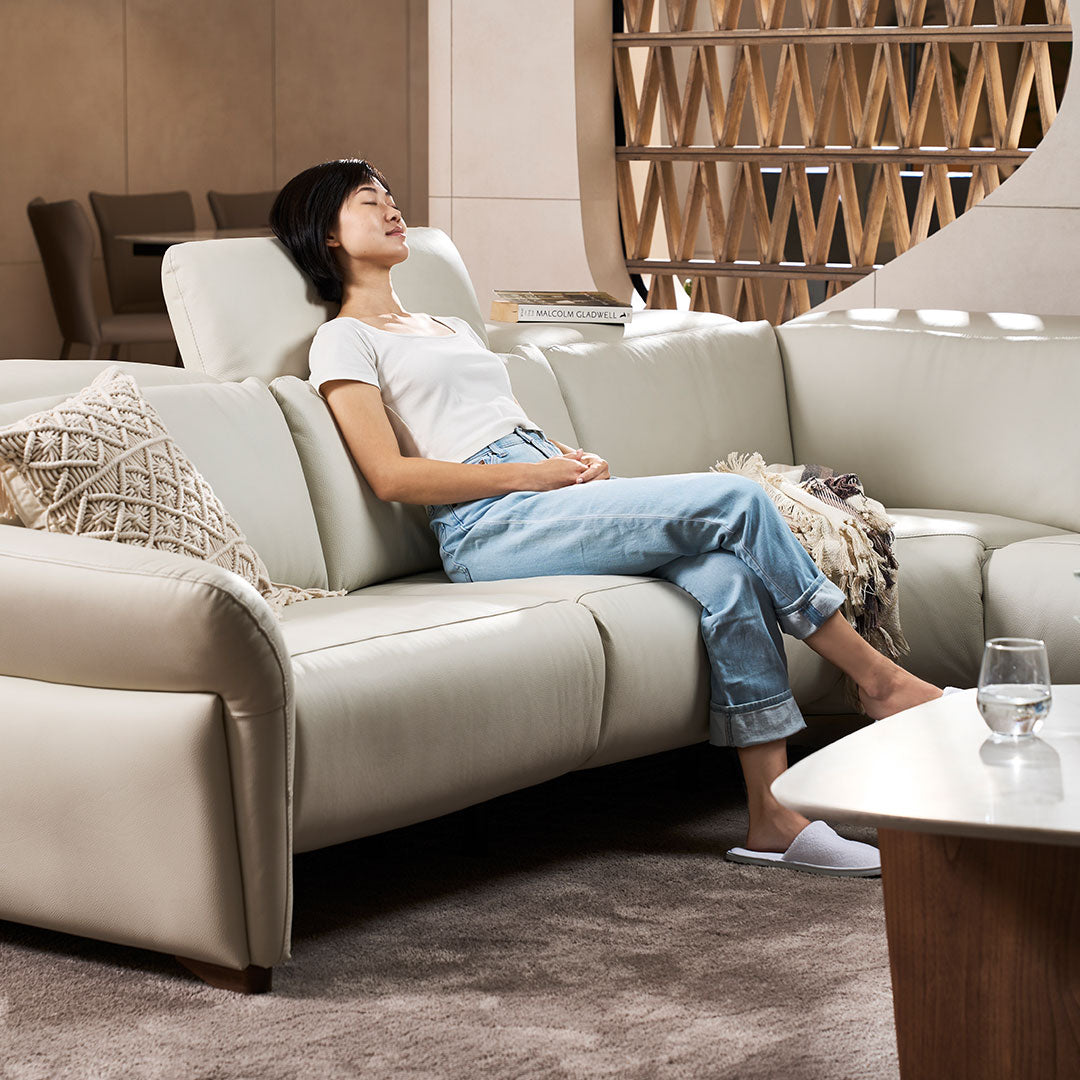
Some feature bold, sweeping curves that become the centrepiece of the living room, while others have gentler curves that offer a softer update to a conventional sofa. Fully upholstered designs with rounded backs create a plush, cosy appearance, while contemporary curved sofa designs often combine smooth curves with clean, minimalist details.
There are also modular curved sofas that offer greater flexibility for larger living rooms or open-concept spaces. Whether the curves are subtle or dramatic, every curved sofa design shares the same purpose: introducing softer lines that bring warmth, character, and visual interest to the living room.
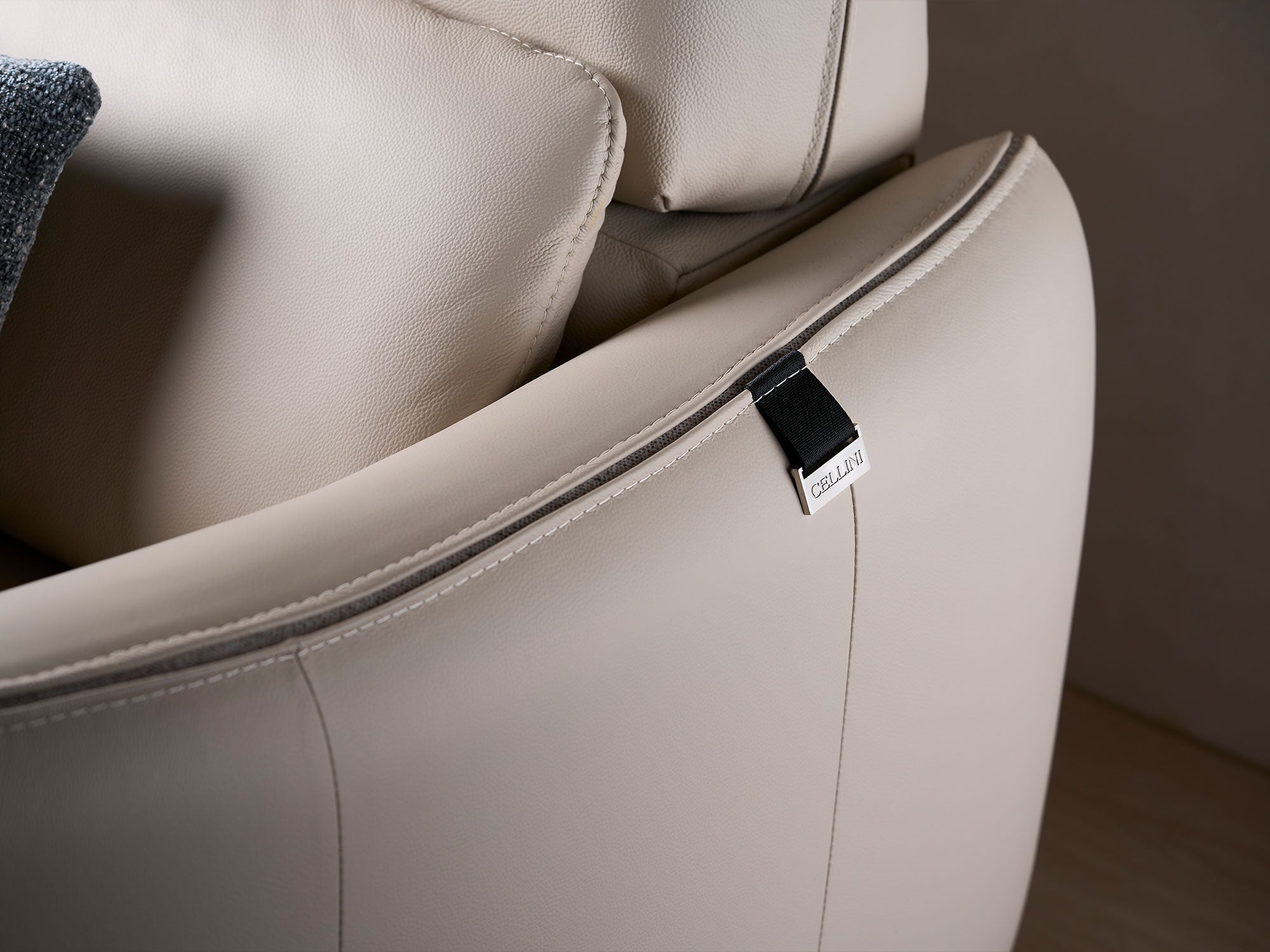
Material choice can further influence the overall effect. Fabric upholstery may create a softer, more relaxed appearance, while a leather sofa with a curved silhouette can feel more structured and refined. When comparing options in furniture shops, it is worth viewing each material under different lighting conditions and experiencing how the seat feels before deciding.

Part 3: How Do Curved Sofa Designs Compare with Conventional Sofas?
Both curved and conventional sofas offer distinct advantages, and neither is inherently better than the other. The right choice depends on your living room layout, how you use the space, and the atmosphere you want to create. Comparing the two across several design considerations can help you determine which style is better suited to your home.
3.1. Which Sofa Works Better for Different Living Room Layouts?
Conventional sofas are especially easy to position against walls or neatly within corners. This makes them suitable for rectangular living rooms or layouts where maximising floor space is a priority.
Curved sofas approach the room differently: their sweeping silhouette encourages furniture to be arranged around them rather than simply alongside them. Instead of acting as a boundary around the room, a curved sofa often becomes the centrepiece of the seating area. This makes it especially effective in open-concept homes, where furniture helps define different functional zones without the need for walls.
In compact Singapore homes, both styles can work successfully. A straight sofa may make better use of narrow layouts, while a carefully proportioned curved sofa can soften the appearance of a boxy room and make the overall layout feel less rigid. Careful space planning for living rooms is therefore especially important when comparing a conventional sofa with a more sculptural curved model.
3.2. Which Sofa Creates a Better Space for Entertaining?
The seating arrangement created by each sofa influences how family members and guests interact. A conventional sofa typically positions everyone in the same direction, making it a practical choice for households where the television serves as the primary focal point. It creates a straightforward arrangement that works well for watching movies, gaming, or relaxing individually.
A curved sofa design naturally changes this dynamic. Because the seats are gently angled towards one another, conversations often feel more natural during family gatherings or when entertaining guests. Instead of directing attention towards a single point, the seating arrangement encourages eye contact and interaction across the room.
If your living room regularly hosts visitors, a curved sofa may support a more sociable “conversation seating” layout, while a conventional sofa may better suit entertainment-focused spaces.
3.3. Which Sofa Has a Greater Visual Impact?
Both sofa styles shape the appearance of a living room, but they do so in different ways.
Conventional sofas create a structured and orderly appearance through clean horizontal lines and defined edges. They complement interiors that favour symmetry and a more architectural aesthetic, making them a popular choice for minimalist and contemporary homes.
Curved sofas introduce softer geometry that breaks up the straight lines commonly found in walls, flooring, and cabinetry. Their flowing silhouette adds movement and creates a stronger visual presence, often becoming a sculptural focal point even within understated interiors. If you want the sofa to become one of the defining features of the room, a curved sofa design generally creates a stronger design statement.
3.4. Which Sofa Is Easier to Style?
Conventional sofas are generally easier to pair with a wide variety of furniture because their linear form works naturally with rectangular coffee tables, straight-edged TV consoles, and structured room layouts.
Curved sofas require a more considered approach to furniture selection. Round or oval coffee tables often complement their silhouette, while accent chairs with softer profiles and organic-shaped rugs reinforce the flowing character of the space. At the same time, introducing a few straight-lined furniture pieces helps create balance and prevents the room from feeling overly soft.
Neither approach is inherently more difficult, but curved sofas typically reward more intentional furniture planning, making them ideal for those looking to create a distinctive and carefully composed living room.

Part 4: Choosing and Styling a Curved Sofa Design Successfully
A curved sofa should feel like a natural extension of your living room rather than a standalone statement piece. Before deciding on a particular design, consider how it relates to your home's interior style, the furniture you already own, and the overall atmosphere you want to create. These design considerations help ensure the sofa feels intentional within the space from the moment it is installed.
4.1. Match the Sofa to Your Interior Style
Curved sofas are available in a wide range of styles, from minimalist contemporary designs to more sculptural silhouettes inspired by mid-century and modern luxury interiors. Rather than choosing a sofa simply because the shape is distinctive, consider whether its design language complements the rest of your home.
For example, a curved sofa design with clean lines and subtle detailing pairs naturally with contemporary interiors, while softer, rounded forms can enhance Japandi, organic modern, or Scandinavian-inspired spaces. Selecting a sofa that reflects the character of your home helps the living room feel cohesive rather than introducing an isolated statement piece.
4.2. Build the Living Room Around the Sofa
Because a curved sofa naturally attracts attention, it often works best as the foundation for the rest of the living room. Instead of selecting every furniture piece independently, consider how the coffee table, TV console, side tables, and accent seating will relate to the sofa.
Allowing the sofa to establish the design direction creates a stronger sense of composition and prevents the room from feeling like a collection of unrelated furniture. This approach is particularly effective when furnishing a new home or redesigning an existing living room, as it creates greater consistency across the entire space.
4.3. Introduce Contrast Instead of Matching Everything
A successful living room rarely relies on one shape. While the sofa introduces flowing lines, surrounding furniture can provide balance through different forms and materials.
For example, a curved sofa can be paired with a rectangular TV console, a timber coffee table with softened corners, or a stone-topped side table. This combination creates visual variety while allowing the sofa's sculptural silhouette to remain the focal point. Rather than trying to repeat curves throughout the room, combining straight and curved elements often results in a more balanced and timeless interior.
4.4. Avoid Treating the Sofa as an Isolated Feature
One of the most common design mistakes is choosing a curved sofa because it looks impressive in a showroom without considering how it fits into the broader interior.
A curved sofa’s design should relate to the architecture of the room, nearby furniture, and the overall design palette. If every surrounding piece competes for attention through bold shapes or oversized proportions, the living room can feel visually busy. On the other hand, if supporting furniture is selected with the sofa in mind, the space feels layered, cohesive, and intentionally designed.
Thinking about the living room as a complete composition, rather than focusing on individual furniture pieces, often leads to a more harmonious result.

Part 5: Practical Considerations Before Choosing a Curved Sofa Design
Curved sofas can transform the atmosphere of a living room, but they also require a little more planning than traditional straight sofas. Taking into account your room size, circulation, seating needs, and Singapore's climate can help ensure your sofa remains both practical and comfortable for years to come.
5.1. Make Curved Sofas Work in Compact Homes
Many Singaporeans live in HDB flats or condominiums where every square metre counts, leading to the assumption that curved sofas are only suitable for large homes. In reality, a well-proportioned curved sofa can work beautifully in a compact living room when selected carefully.
Rather than choosing the largest design available, consider a curved sofa with a slimmer profile and dimensions that leave sufficient clearance around the seating area. Measuring the room beforehand is particularly important, as the curved shape occupies space differently from a conventional sofa.
If space is limited, allow the sofa to become the main statement piece instead of surrounding it with numerous large furniture items. Pairing it with a compact round or oval coffee table and streamlined side tables can help maintain an open and balanced layout.
When looking at curved sofas in Singapore, it is helpful to measure not only the available floor area but also doorways, corridors, lifts, and access points. This helps ensure the sofa can be delivered and positioned comfortably within the home.
5.2. Allow Enough Space for Comfortable Movement
A curved sofa design naturally encourages movement around its softer silhouette, but it should not interrupt circulation within the room. Before deciding on its placement, consider how you and your family move between the living room, dining area, balcony, or other adjoining spaces.
Leave enough clearance around the sofa so that walkways remain unobstructed. This is particularly important in open-concept layouts, which are increasingly common in Singapore homes. Positioning the sofa too close to walls or neighbouring furniture may reduce the spacious feeling that curved furniture is intended to create.
If your living room also serves as the main route through the home, prioritise maintaining smooth circulation over filling every available corner with additional furniture.
5.3. Choose a Size That Matches Your Lifestyle
Curved sofa designs often appear visually generous because of their sweeping form, but appearance does not always reflect seating capacity. Before making a purchase, consider how the sofa will be used on a typical day as well as when entertaining guests. Visiting a furniture store can also help you compare seat depth, proportions, and comfort more accurately before deciding which size suits your household.
For households that frequently host family gatherings during festive occasions or weekend get-togethers, ensure the sofa provides sufficient seating without requiring everyone to spread into other areas of the room. Larger curved sectional sofas may be suitable for spacious homes, while smaller curved sofas can be complemented with matching lounge chairs or accent seating when additional capacity is needed.
5.4. Care for Your Sofa in Singapore's Climate
Sofas in Singapore are easily affected by the warm, humid climate, making regular care an important part of ownership.

Vacuuming the sofa regularly helps remove dust that may settle into the fabric, while prompt attention to spills reduces the likelihood of stains becoming more difficult to remove. If your sofa is positioned near large windows, using curtains or blinds during periods of strong afternoon sunlight can help reduce prolonged exposure that may gradually affect certain upholstery materials.
Maintaining good ventilation within the living room is equally beneficial, particularly in homes where windows remain closed for extended periods due to air-conditioning. Proper airflow helps keep upholstered furniture feeling fresh while supporting its long-term condition.
With routine maintenance and thoughtful placement, a curved sofa can remain a comfortable and visually striking centrepiece in your living room for many years.
Conclusion
Curved sofa designs offer a fresh perspective to living rooms by introducing softer lines, encouraging conversation, and creating a distinctive focal point within the home. While they differ from conventional sofas in both form and function, they can suit a wide range of interiors when chosen with careful consideration of your layout, furniture composition, and lifestyle.
Rather than viewing a curved sofa as a standalone statement piece, think about how it will work with the rest of your living room. From complementary coffee tables and TV consoles to well-balanced seating arrangements, every surrounding element contributes to a space that feels cohesive and comfortable.
At Cellini, our collection reflects a considered approach to curved sofa design, combining comfort, craftsmanship, and timeless style. Explore our range to discover a sofa that complements your living room and helps create a space that is as inviting as it is beautifully designed.
Frequently Asked Questions
Are curved sofa designs suitable for small living rooms?
Yes, curved sofas can work well in smaller living rooms when you choose a size that suits the available space. Compact curved sofas or two-seater designs can soften the appearance of boxy HDB flats and condominiums without overwhelming the room. Careful furniture placement and selecting appropriately sized coffee tables also help maintain a comfortable, open layout.
What coffee table goes best with a curved sofa?
Round and oval coffee tables are often the most popular choices because they complement the sofa's flowing shape and allow for easier movement around the seating area. However, rectangular or organic-shaped coffee tables can also work well when their proportions are balanced with the sofa and the overall living room layout.
An increasingly popular option is the pill-shaped coffee table, which combines the practicality of a rectangular design with the softer silhouette of a round table. This shape provides ample surface area while echoing the gentle curves of the sofa, helping create a balanced and cohesive seating arrangement. Our Janus Coffee Table offers an elongated pill-shaped design that pairs naturally with curved sofa designs by introducing both structure and softness to the living room.
Can a curved sofa be placed against a wall?
Yes, although it depends on the sofa's design and the size of the room. Some curved sofas have a gentle arc that allows them to sit comfortably near a wall, making them suitable for more compact homes. Sofas with more dramatic curves often look best when positioned slightly away from the wall, allowing their sculptural form to become a focal point within the living room.